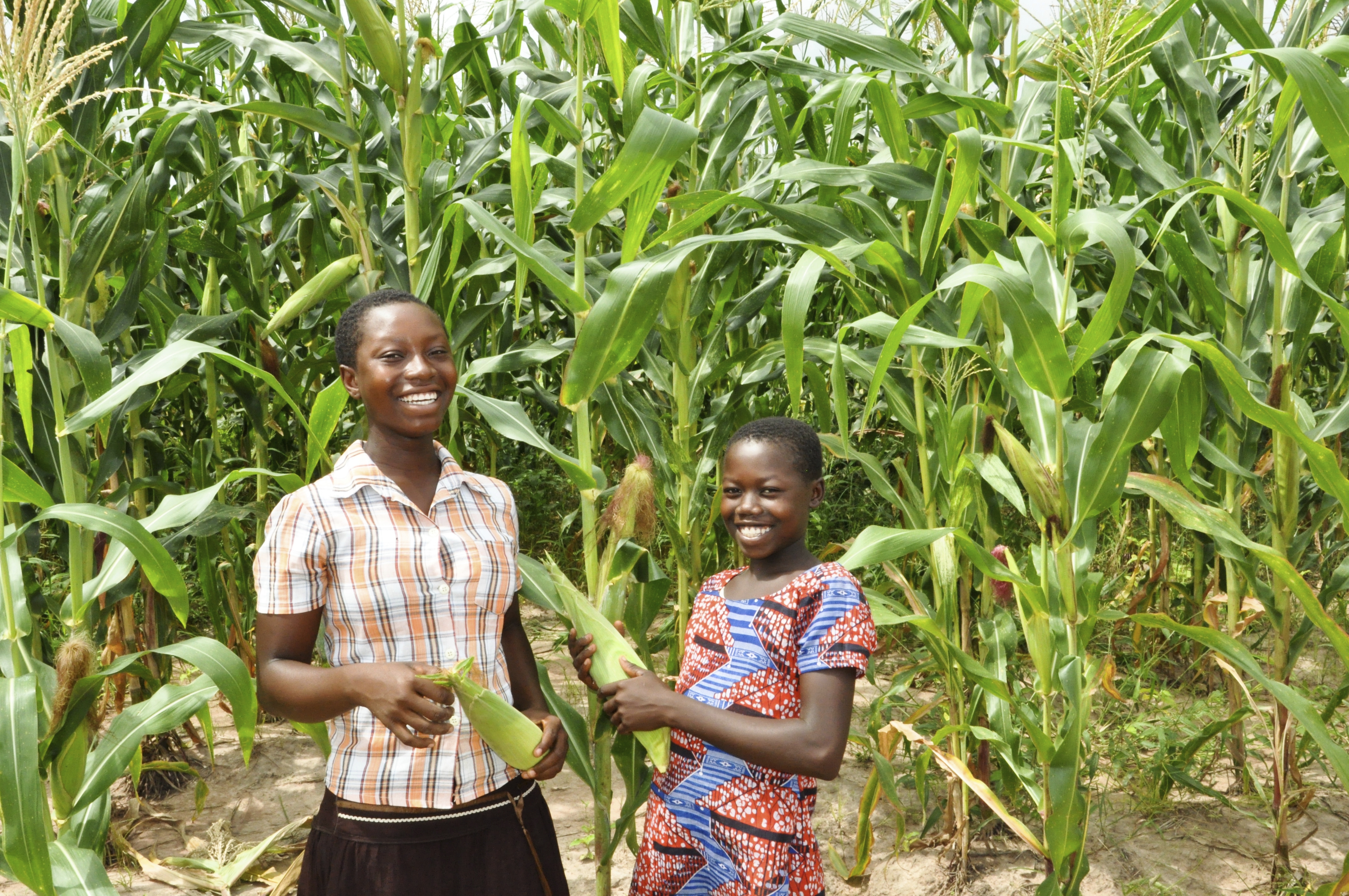
Our project with World Vision in Talensi, Ghana, focuses on Farmer Managed Natural Regeneration (FMNR), which is a low-cost land restoration technique used to combat poverty and hunger by helping subsistence farmers increase food and timber production and resilience to climate extremes. The project helps teach land management skills that lead to better harvests, more sustainable food production and a healthier ecosystem for the entire region.
FMNR involves the systematic regrowth and management of trees and shrubs, where felled tree stumps, sprouting root systems or seeds are nurtured to create forest regrowth. Farmers practicing FMNR have greatly increased their incomes through sale of wood and non-timber forest products such as fodder, honey and traditional medicines.
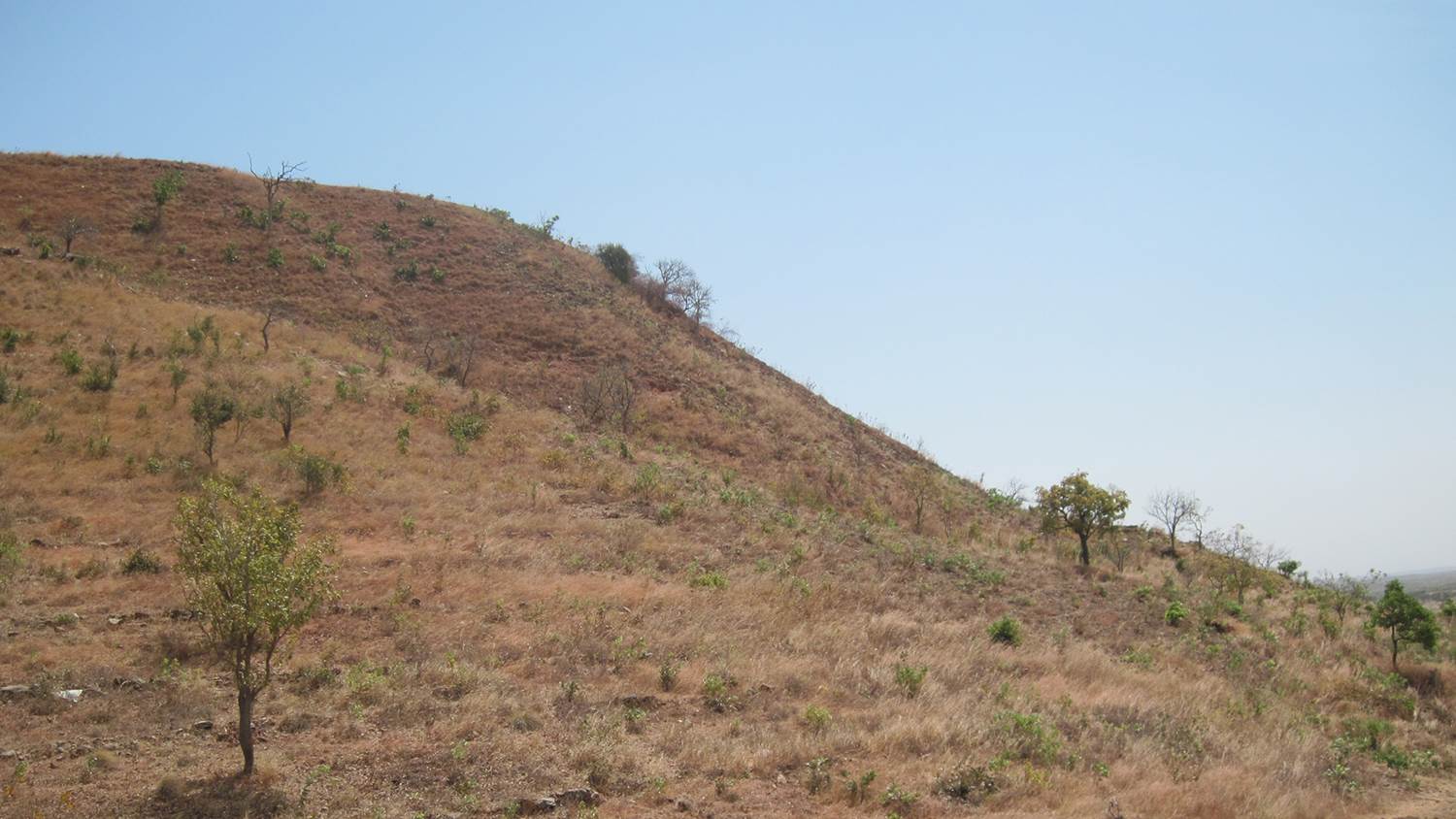
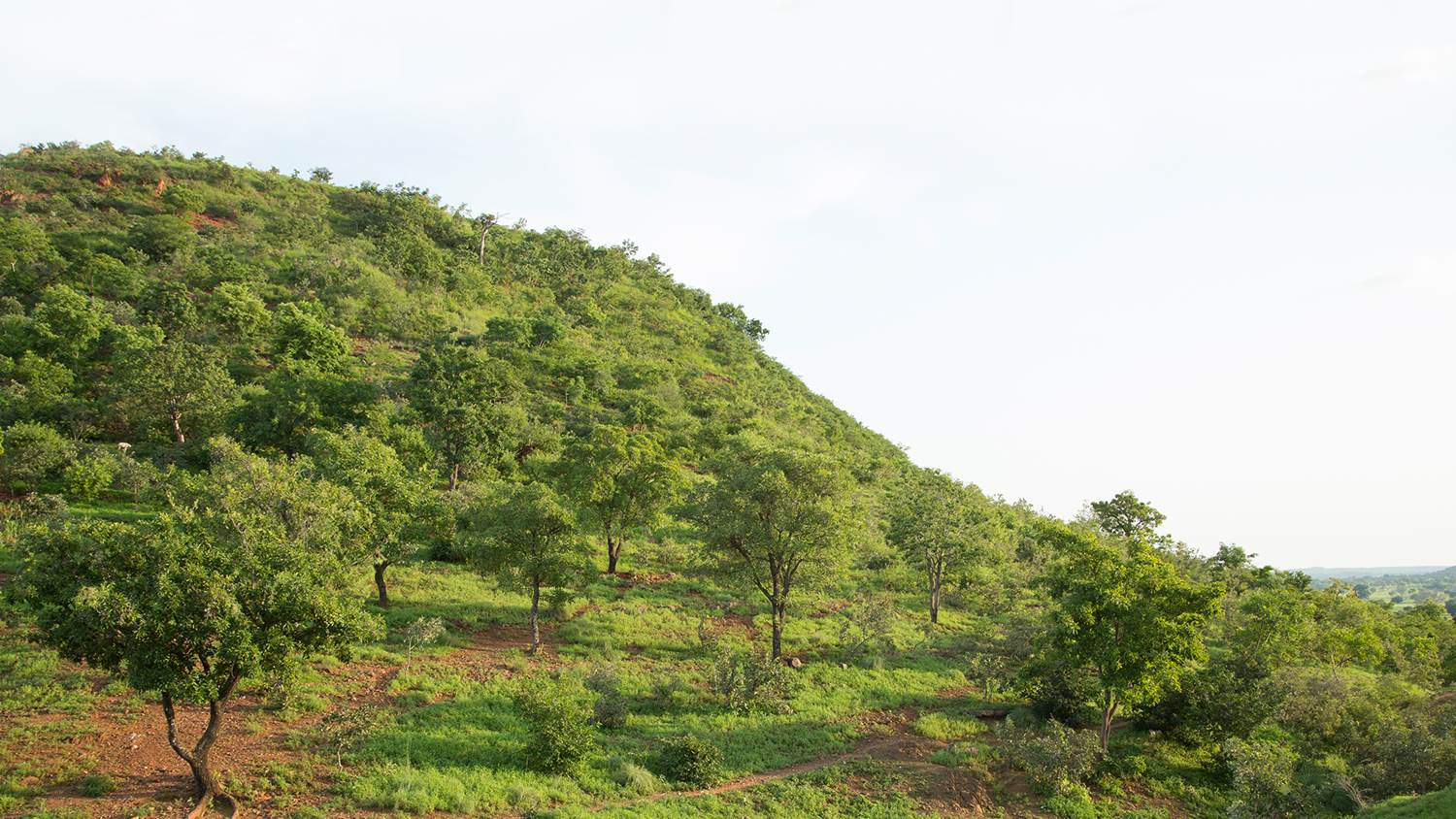
Below, in before and after images, you can see the impact that FMNR has had on Yameriga, a community in the Talensi district, throughout the first four years of this project.
This project aims to reduce the annual hunger gap for children and their families in Talensi
years
people
hectares
Project achievements
Acacia tree nurseries
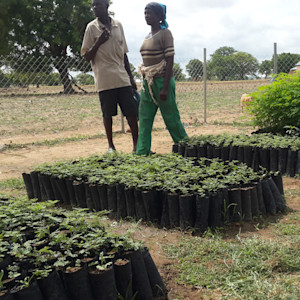
Australian acacias bear edible seeds that can provide families with an alternative food source during the driest times of the year. Over the last couple of years a trial has been conducted in partnership with the Forestry Research Institute of Ghana to grow various acacia species under local conditions to determine which ones have the best potential for rapid growth and long-term survival. In total, 3,100 acacia seedlings from promising species and 1,200 moringa tree seedlings have now been provided to the community nurseries and they will be ready for transplanting on farmland in late 2016.
Composting
160 farmers were taught how to compost using organic matter such as water, crop residues, manure and tree leaves. The important nutrients the compost adds to the soil help improve the soil structure so that it holds moisture for longer and provides better growing conditions for plants. A recent farm monitoring visit revealed that 60 percent of the farmers had prepared their organic compost in time for the next planting season.
Environment clubs
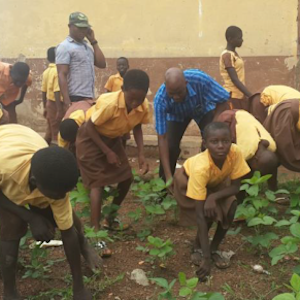
The project in Ghana has helped to form and support environment clubs in eight schools in Talensi District, to inspire kids to care for their environment. Club members take part in a range of activities including tree planting, school clean-ups and environmental talks and quizzes. The club at one primary school has adopted the following saying as its motto: “When the last tree dies, the last man also dies”.
Firefighting
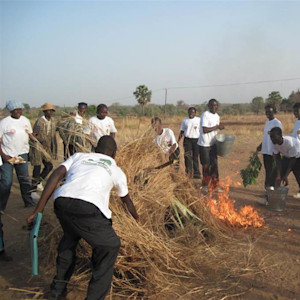
Six communities in the district chose twenty volunteers each – ten male and ten female – to receive firefighting and bushfire management training. The 120 volunteers learned how to contain fires using simple tools like machetes to safely manage a fire’s path, protect the gains they’ve already achieved, and best manage fire-damaged land for a quick recovery. They also received protective gear and fire-fighting tools to take back to their communities.

Land preparation
100 farmers from five communities completed training on improved land preparation techniques to help them improve soil fertility and crop yields. The training informed farmers of the negative impacts of traditional land preparation methods, such as the “slash and burn” technique, and promoted practices such as crop rotation, use of organic compost and creation of stone bunds.
Stone bunding
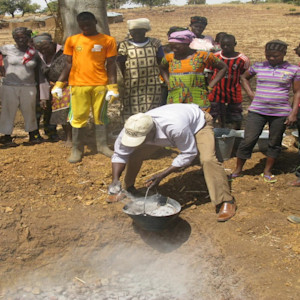
Farmers were taught how to make stone bunds, which are simple conservation structures that help to reduce soil erosion and increase crop production. They slow down water run-off during rain, giving the water more time to soak into the ground. In areas such as Talensi, where erosion and lack of water are issues, stone bunds increase soil moisture and reduce the loss of soil and soil nutrients.
FMNR drives growth globally
Farmers in Niger Republic produce 500,000 more tons of cereal per year than in the 1970s and 1980s due to FMNR
dollars extra income annually, per household
dollars extra income nationally each year
people benefitted