Communication Services
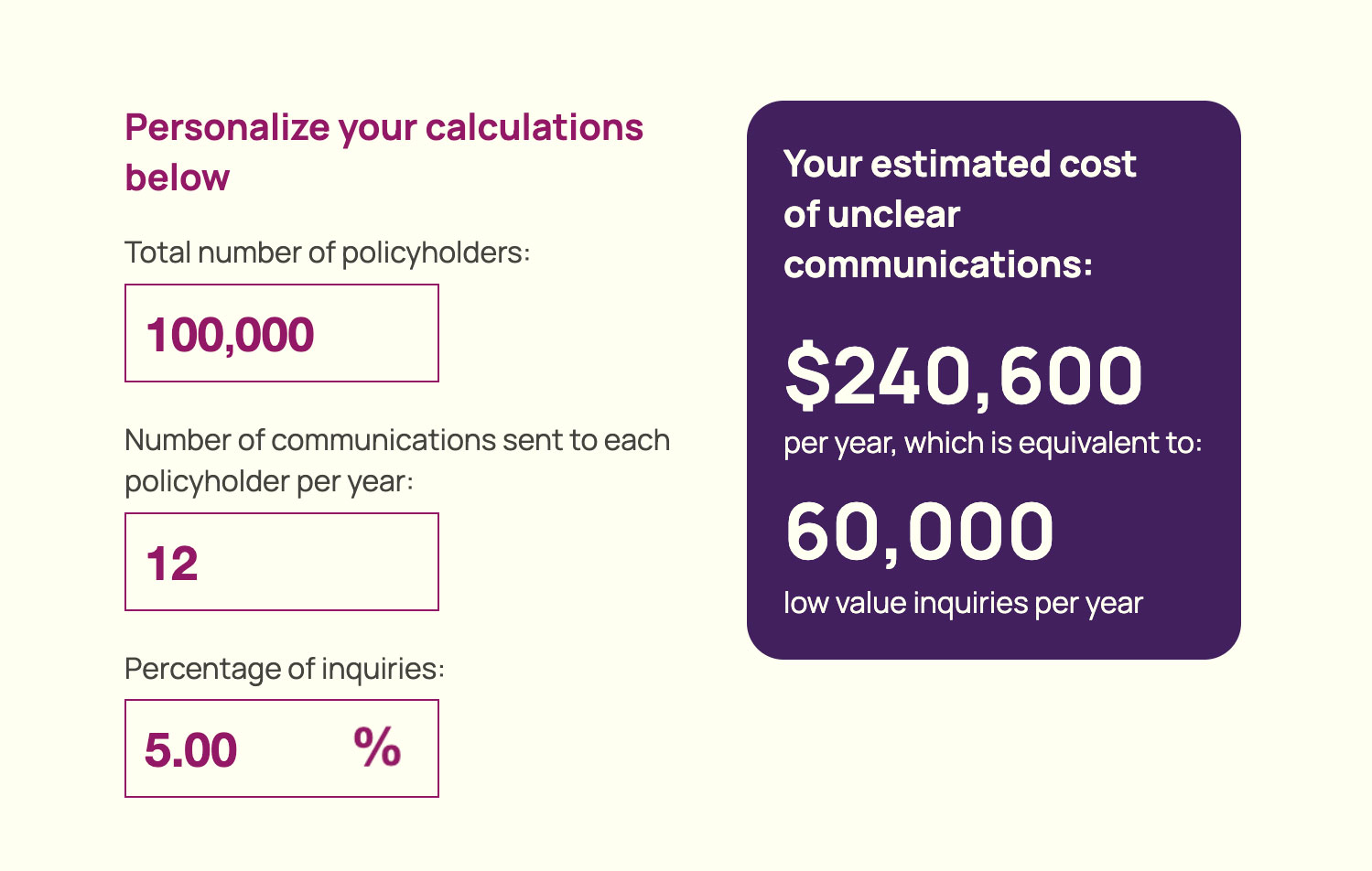
How much are unclear communications costing your business?

Gone are the days when transactions only occurred between 9 to 5. Your customers transfer funds over dinner, update their investment contributions at 10 pm, and make online purchases at 3 am. Businesses process payroll overnight, approve invoices over the weekends, and move money across suppliers, partners, and accounts around the clock. Everyone wants answers to their questions, alerts about unusual account activity, and transaction confirmations immediately.
The Amazon effect has fundamentally reshaped customer expectations. Today's customers don't compare their experience with you to other financial institutions. They compare it to Amazon, Uber, and Netflix. They expect the same consumer-grade, always-on experience: personalized, immediate, and available whenever they need it. Financial institutions can deliver a consumer-grade, always-on experience through real-time, personalized communications, event-triggered engagement, automated workflows, and seamless digital-first experiences.
When customers are left waiting for important updates, uncertainty fills the gap. In financial services, communication speed is increasingly tied to customer satisfaction and loyalty. When critical messages are delayed, customers are left without the information they need to make decisions or act. The result is higher service costs, lower confidence, and a greater risk of attrition.
Delayed communications can lead customers and members to:
 Feel uncertain about their financial activitySeek answers through high-cost service channelsReevaluate their relationship with your organization
Reactive, delayed fraud alerts are one example.
Scott is on a first date with Amy, and things have been going well. When the bill arrives, he takes it and hands the server his credit card.
Unbeknownst to Scott, someone tried to steal his credit card number. His credit card issuer put a hold on his account without informing him. When he taps his card at the terminal, the payment is declined.
Scott quickly cycles through several emotions: surprise, embarrassment, and irritation. Amy pulls out her credit card. "It's okay. I'll pick up the tab."
He thanks her, but inwardly, he's fuming. His credit card provider has managed to ruin a great date, and Scott is worried he might not get a second one. His credit card provider has turned an enjoyable evening into an embarrassing situation. Now he's left questioning whether his account is secure and why no one warned him before his card was declined.
The moment he gets home, he calls customer service, only to discover the call centre closed hours ago. He learns the next morning that the card was frozen due to suspected fraud. "Nice of you to let me know!" he snaps at the customer service representative. The representative provides an apology, but Scott hangs up in the middle of it. He's too frustrated to care. All he knows is that the credit card provider let him down at a crucial moment.
Always-on businesses send fraud alerts in real-time, so customers aren't left in the dark. The moments that matter most are often the moments when customers need reassurance. When a transaction fails, a payment is processed, or suspicious activity is detected, customers expect to be informed immediately. Delayed communications can create frustration, increase support volumes, and damage trust.
When done right, always-on communications are triggered by events in real time, powered by automated workflows, and offer seamless digital-first experiences.
Here's what that looks like:


A trusted customer communications outsourcing partner helps you stay connected with customers and members, no matter what day of the week or time it is. Computershare has partnered with financial institutions for over three decades to offer confidence in every communication around the clock.
Digital-first, on-demand access through digital document delivery and online document accessOmni-channel communications: Print and digital communications, coordinated from a single workflowEvent-driven communications triggered by situations such as suspected fraudSecure and compliant notifications woven into every workflow and production stepAs payment systems become faster and more connected with other systems, customer and member expectations about transparency, timeliness, accessibility, security, and auditability will continue to rise. And even though payments move in milliseconds, trust will always be built in the moments before and after a transaction. Organizations that communicate with customers and members continuously will thrive in an always-on world.
Computershare's infrastructure, expertise, flexibility, and ability to handle high-volume, regulated transactional communications enables us to deliver confidence in every communication. Learn how we can help you become an always-on business – contact us today.
Contact us today to learn how we can help your organization transform your communications and fulfill your strategic goals.