Communication Services
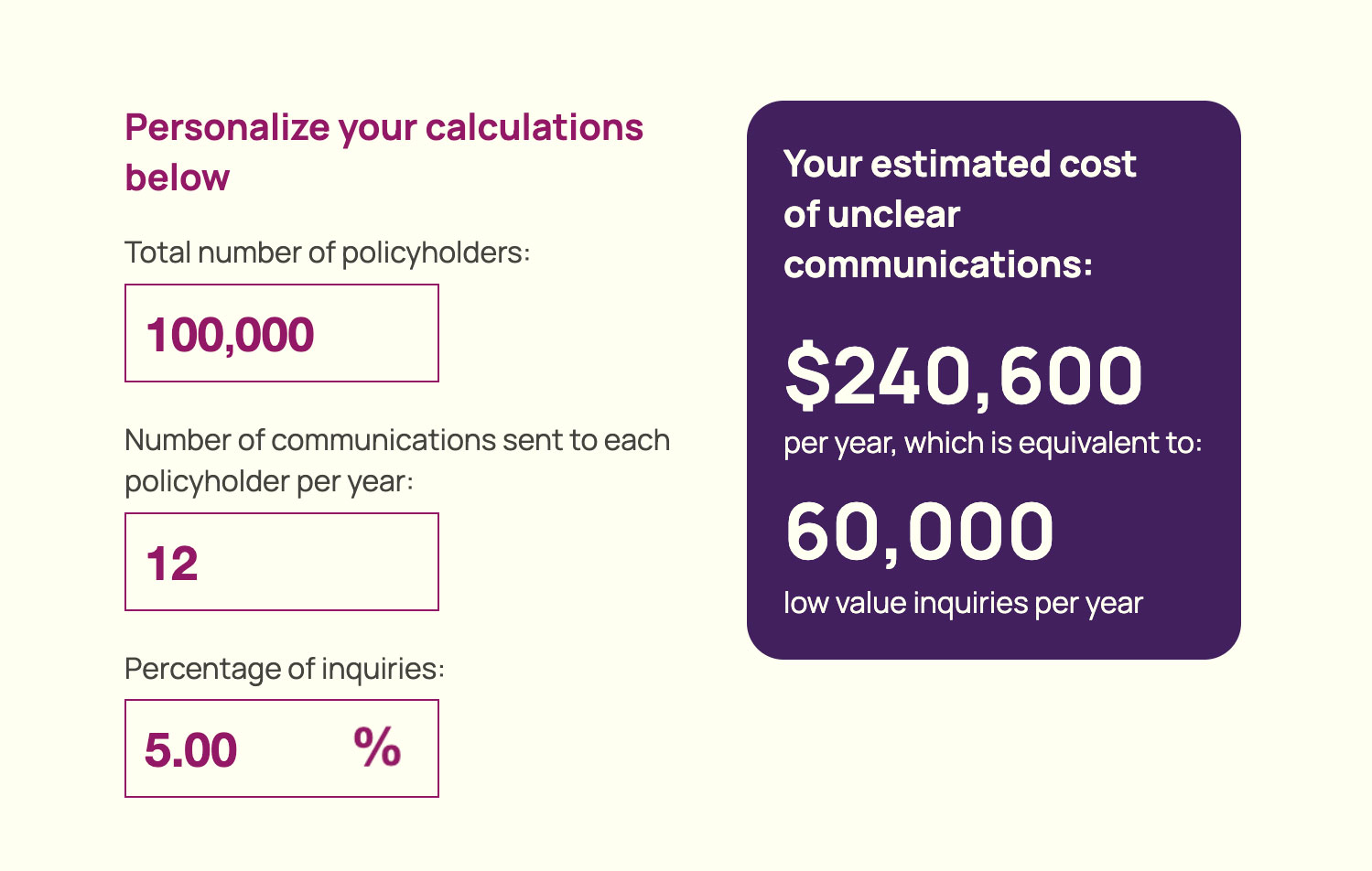
How much are unclear communications costing your business?

There are times when a transaction fails, and your customers expect to hear from you. One common example is payments; when a payment doesn't go through, the customer is disappointed at best and fuming at worst.
Timely, accurate communications when a transaction fails build trust with your customers and foster a stronger, longer relationship.
Kate stands patiently in the checkout line. She expects that she'll be able to tap her card to pay for her purchase and then go on with the rest of her day. That's not what happens.
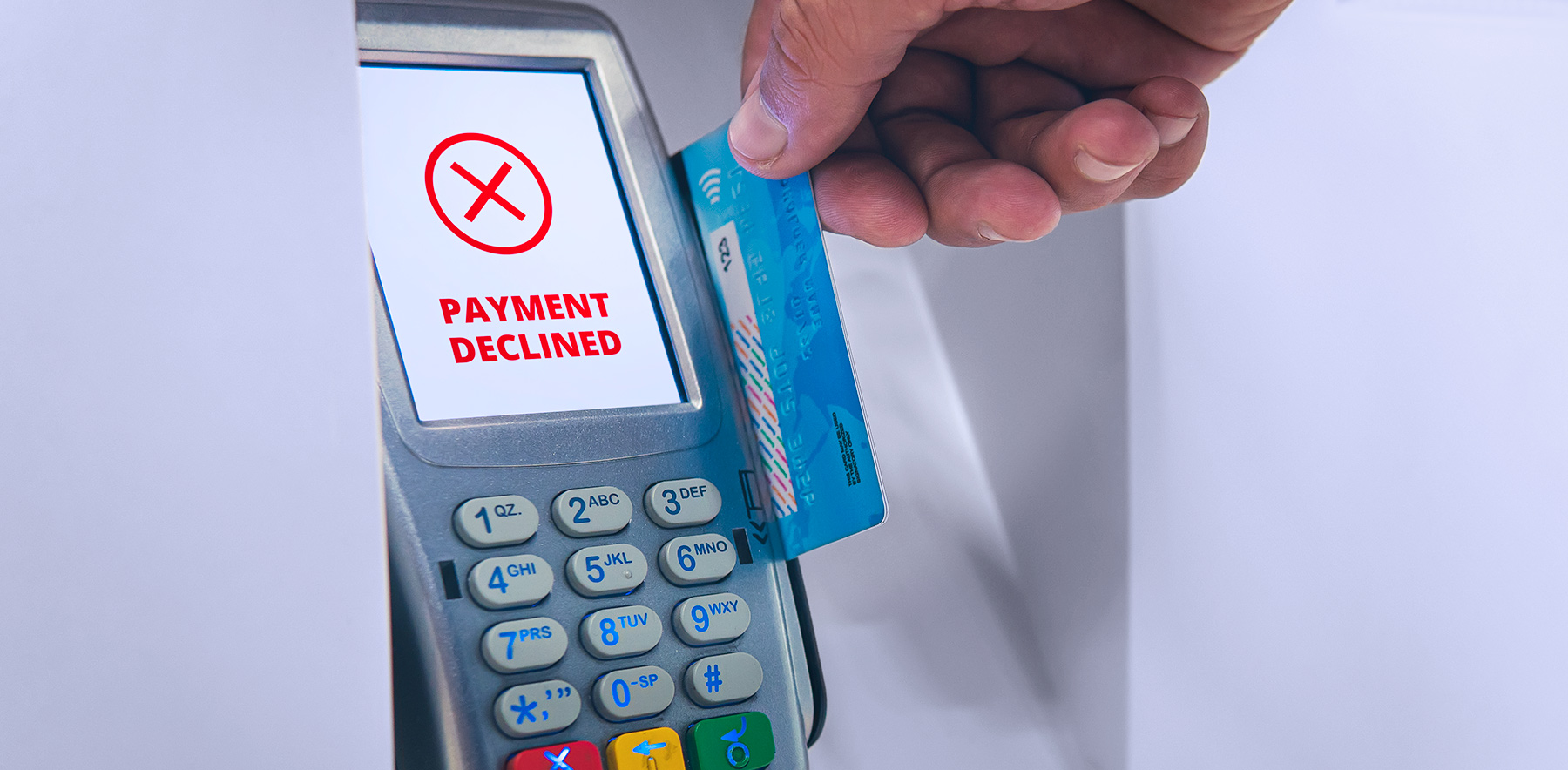
When she taps her card at the terminal, the screen reads, “Declined.” “Try again,” the cashier suggests. Kate taps it again, with the same result. “Maybe try a different card?” The cashier shrugs. Embarrassed and confused, Kate pulls her secondary credit card out of her wallet. The payment goes through.
She shakes her head, annoyed, and leaves the store. After finishing her errands, Kate calls the credit card company. “Why was my card declined?” she asks through gritted teeth. “It worked perfectly fine yesterday.”
“It looks like there was some fraudulent activity on your account,” the customer representative explains. “We placed a temporary hold.”
“Okay, great, but why didn't you tell me?” Kate demands. “I wouldn't have used my card if I had known it would be declined.”
The customer service representative mumbles some apology. Kate is too frustrated to hear it. She's been with this credit card company for years, and there's never been a problem. However, the company let her down when she needed them, and she won't forget that any time soon.
Kate isn't alone. Every day, customers encounter unexpected payment failures at checkouts, online, and in-app. While these events seem like minor operational issues to financial institutions, they can have an outsized impact on the customer experience. A declined payment is more than a failed transaction – it's a moment of frustration that can damage confidence and loyalty. Customers may not remember the reason their payment failed, but they'll remember how you handled it.
Payment failure communications are an important part of the customer experience. By handling these moments proactively and transparently, you demonstrate your commitment to supporting customers and building long-term trust.
How you communicate during a payment failure can set your customer experience apart from the competition. Effective payment communications do three things:

Start by clearly communicating that a payment has failed and when it occurred. In many cases, customers have no prior indication there is an issue with their account. All they know is that they couldn't use their card. Prompt notifications eliminate uncertainty and prevent customers from being caught off guard next time they attempt a transaction.

Once customers know what happened, they want to know why. Whether the cause is suspected fraud, an expired card, insufficient funds, or another issue, providing a clear explanation helps reduce confusion and frustration. Be transparent and use plain language. Customers shouldn't have to decipher technical jargon or contact support just to understand what happened.

Finally, help customers resolve the issue quickly and confidently. Explain the next steps they need to take, whether it's updating payment information, confirming a transaction, or contacting customer service. The goal isn't simply to notify customers about a problem, it's to help them move past it with as little disruption as possible.
Effective payment failure communications can transform a frustrating experience into an opportunity to strengthen customer trust. When customers feel informed, supported, and empowered to act, they're more likely to maintain a positive view of your organization and continue the relationship.
Payment failures are inevitable. Eroded customer trust doesn't have to be. The organizations that stand out are those that recognize payment failures for what they are: critical customer experience moments. By communicating clearly, transparently, and proactively, you can reduce frustration, strengthen relationships, and demonstrate your commitment to customers when they need it most.
By investing in effective payment failure communications, you can turn a challenging moment into one that strengthens customer trust and loyalty. Computershare has been helping financial institutions deliver exceptional customer communications for more than three decades. Contact us to learn more.
Contact us today to learn how we can help your organization transform your communications and fulfill your strategic goals.